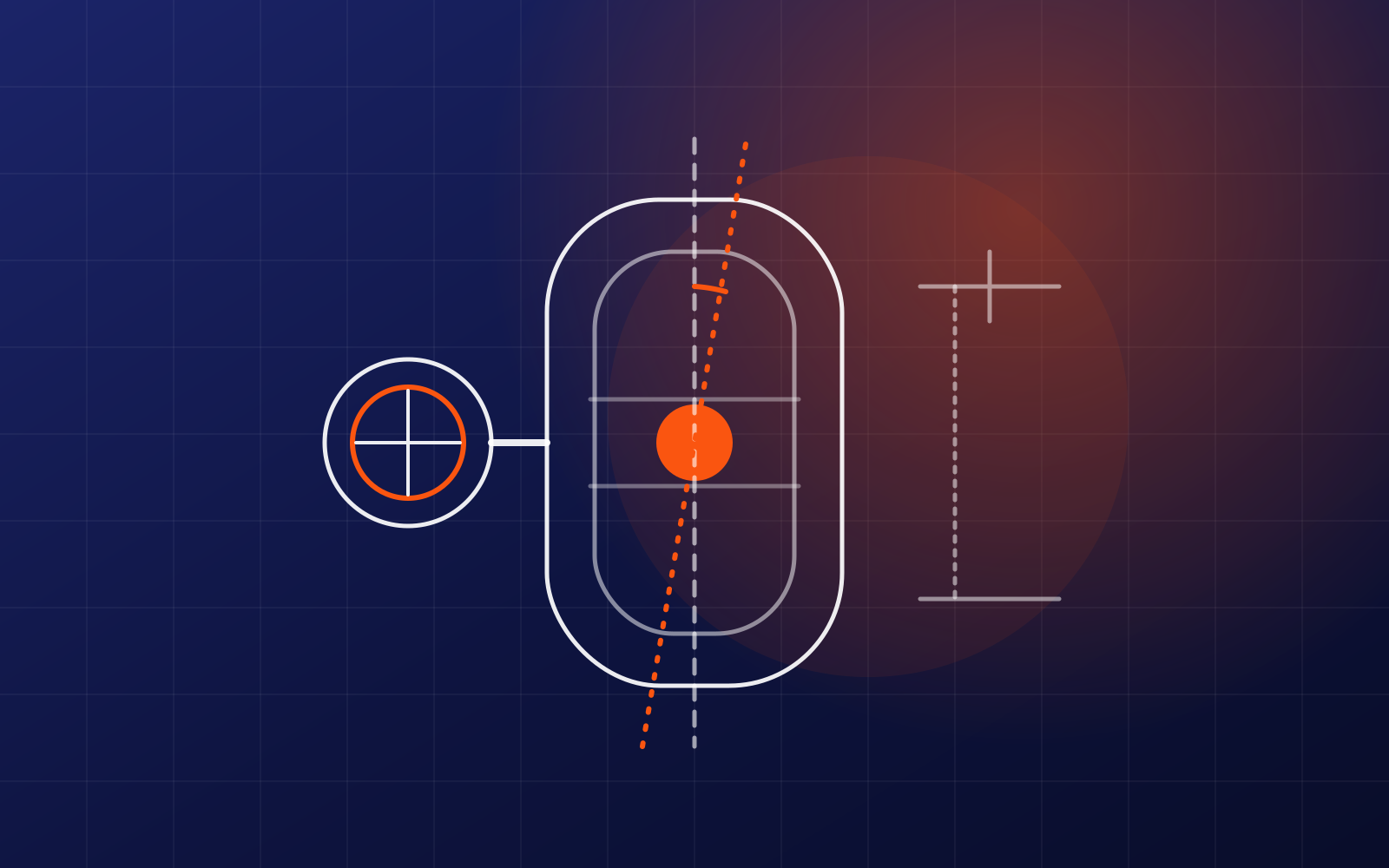
Wheel alignment is about the angles at which your tyres meet the road. When those angles are right, the car drives straight and the tyres wear evenly. When they're off, you pay for it in tyres, fuel and comfort.
What alignment actually adjusts
- Toe: whether the front of the tyres point slightly in or out, seen from above. The biggest cause of fast tyre wear.
- Camber: whether the tops of the tyres lean in or out, seen from the front.
- Caster: the angle of the steering axis, seen from the side. It affects how the steering returns to centre.
Your car maker sets a range for each angle. Alignment brings them back into that range.
Signs your alignment is off
- The car pulls to one side on a straight, flat road.
- The steering wheel isn't centred when you're driving straight.
- Uneven tyre wear, especially on the inner or outer edge.
- Tyres squeal on gentle turns.
When to get it checked
- After hitting a big pothole or a kerb.
- After suspension or steering work.
- When you fit new tyres.
- At regular intervals, as part of your service.
Why it's worth it
- Tyres last longer. Bad alignment can wear out a set of tyres long before their time.
- Better fuel economy. Tyres that scrub sideways create drag.
- Safer handling. A car that tracks straight is more predictable when braking or swerving.
Alignment vs balancing
They're often done together, but they're different. Alignment sets the wheel angles. Balancing adds small weights so each wheel spins smoothly. A vibration that gets worse at a certain speed is usually a balancing issue.
How we do it
We do wheel alignment in-house on Hunter equipment. Sensors on each wheel measure the angles and show them against your car maker's specification, before and after. We also check for worn suspension and steering parts first, because aligning a car with worn parts won't hold.
Car pulling to one side? Message us on WhatsApp to book an alignment check.